

Our Response to Financial Secretary to HM Treasury, the Rt Hon. Jesse Norman
Since launching Fairer Share in the spring of 2020, we have been inspired by the 120,000 households who have signed our petition calling for reform. These have come from all walks of life – young families struggling to get by in the face of rising Council Tax bills, hard-working families in tenanted accommodation, grandparents wondering how their grandchildren will find a way onto the property ladder, the housing industry looking for alternatives to Stamp Duty.
In March we received this letter from Jesse Norman MP who has the important role of Financial Secretary to the Treasury. We have responded to his comments in a Q&A format below. Jesse Norman’s response shows the importance of our work and the need to continue the fight for a fairer property tax system!
Jesse Norman MP 
Thank you for sending the briefing from Fairer Share in January on replacing Council Tax and Stamp Duty Land Tax (SDLT) with a Proportional Property Tax.
The data provided in the briefing by Fairer Share which you forwarded gives a very useful insight into the thinking behind the proposed new package, and any serious proposal that purports to reduce tax for the majority of people and improve economic efficiency while remaining equitable and revenue neutral overall is of obvious potential interest.
Fairer Share 
Thank you. Our data and analysis clearly show that Stamp Duty hinders mobility and Council Tax is increasingly a service charge for the wealthy and a rising wealth tax for low and middle-income households.
Across England around 76% of households would benefit under a proportional property tax, with households paying £435 less property tax a year on average.
There are 78 constituencies where over 99% of households would benefit from moving to a proportional property tax. Many of these are in the north of England and the midlands but there are also plenty of southern seats that would benefit from the change.
We are grateful for the endorsement for a proportional property tax by leading economists in the national media including Martin Wolf at The Financial Times and Russell Lynch at The Daily Telegraph.
In his recent op-ed piece in the Daily Telegraph, Aaron Bell, who took Newcastle-under-Lyme from Labour for the Tories at the 2019 election, said: ‘…abolishing Council Tax and Stamp Duty and replacing them with a fairer property tax is the right thing to do for millions of people up and down the country. It is also the right thing for the Conservative Party to do if we are serious about delivering to those who voted Tory for the first time in a generation.’
Jesse Norman MP
However, the proposal would involve a radical overhaul in existing tax arrangements, and inevitably this would bring disadvantages as well as advantages. Despite its limitations, the current system has evolved over time. It is familiar, well-understood and factored into people’s planning.
Fairer Share
Council Tax may well be familiar to the Government and factored into planning. That does not mean it is without harm. As recently noted, by Citizens Advice: “Council Tax is one of the bills that people have been struggling with the most. We estimate that over 3.5 million people are currently behind on Council Tax.”
This is 5% of the population struggling to pay their bills, with families facing debt-collectors and having to face unnecessary pain because of the regressive nature of the tax.
Familiarity and planning are indeed important. A PPT would, in time, also become familiar and very easy to understand due to the simple flat rate of 0.48%. It is much simpler to plan for because those with assets and wealth are able to plan in a way that the poorest in society are not. An argument for inertia on these grounds could be made for all taxes and ignores the harm caused by Council Tax.
Jesse Norman MP
Thus, as well as expected costs and benefits, any radical change would almost certainly involve unintended consequences, some negative and potentially serious.
Fairer Share
Of course, no system of property taxation will make everyone happy. But a scenario in which a small number of homeowners have enjoyed a large increase in property value and a much smaller rise in their tax bill is surely preferable to the current system under which many hard-working tenants face 5% annual increases in Council Tax whilst not benefitting from a commensurate increase in property value.
Former Governor of the Bank of England, Mark Carney, in his recent book – “Value(s), Building A Better World for All” – explains that distributional impacts are explicitly taken into account in cost-benefit analysis conducted by the US federal government. This has spawned the doctrine of prioritarianism in which the social goal is to maximise welfare but with priority given to the most disadvantaged. Mark goes on to say, “The allocation (or ‘incidence’) of costs and benefits matters, and even if ‘losers lose more than gainers gain in monetary terms, we cannot exclude the possibility that the losers lose less than the gainers gain in welfare terms.”
Or in other words, an extra £1,000 means less to say Roman Abramovich than £500 does to someone who is struggling to pay their Council Tax bills. Mark explains, “In part, this can be explained by the diminishing utility of money. There is widespread evidence that, above certain thresholds, small additional monetary gains or losses are relatively immaterial from a welfare perspective, whereas for the least well off they are material.”
With a PPT, the 24% of households who will pay more are the asset rich - those lucky enough to live in large houses (£800,000+) in London and the south east. Those lucky enough to have second homes and weekend retreats will pay more. Foreign investors will pay more.
If the Conservative Party is serious about levelling up, not just paying lip service to it, these trade-offs have to be made. Our proposal is not radical and the cap on the increase of £1,200 per year limits any losses to a sensible and politically palatable amount. Proportional Property Tax is a moderate, conservative but progressive, reform with cross-party support and if this is too heavy a lift then I fear this Government may have little to show to its “Blue Wall” when election time arrives in three-years’ time.
Jesse Norman MP
All these things are matters of potential concern. For the sake of clarity, I set out some more specific thoughts on these issues below.
First of all, the briefing acknowledges that removing Council Tax and SDLT and replacing them with a proportional property tax will raise annual taxes for many households. Even with the proposed cap, it is important to note that this would risk being perceived publicly similarly to a ‘mansion tax’, a significant and unanticipated increase in bills for families and pensioners who have saved and improved their homes.
Fairer Share
We respectfully but strongly disagree. This is not a tax increase – overall our policy is revenue neutral. We are scrapping both Stamp Duty and Council Tax, replacing both with a fairer proportional system.
Nor is it a wealth tax. On the topic of a proportional property tax, the Daily Telegraph’s Economics Editor Russell Lynch wrote: ‘this is not a “mansion tax” or anything like it.’ Neither is it in keeping with a wealth tax, which is generally understood to be imposed upon an individual’s entire net wealth.
Those living in houses valued at £500,000 or less (90% of all households in England) are likely to see a reduction in their tax bills because the future proportional property tax will be less than their current Council Tax payments.
In no meaningful way is it a mansion tax either. Singapore, hardly a bastion for socialism, has a much more aggressive 4% rate on owner-occupied land. We are asking this government to place the tax on the value on the property, not the land, and to do so at a rate 8 times lower than Singapore.
On home improvements the rate itself negates this problem. With a flat tax of 0.48%, this equates to less than 1/200th of any increased value from home improvements. Such a payment would be much less than the 20% VAT rate charged on materials, so a proportional property tax at 0.48% per year is certainly no more of a disincentive to improve one’s home than VAT, which is charged at 20% and is paid upfront.
Jesse Norman MP
On the policy design itself, Council Tax is designed, as you will be aware, to help pay for the cost of local services. These services are used by everyone, including those that rent a property, and the fairness of relieving renters from this tax should be considered. There is also an obvious concern that relieving every household that rents its home from paying this tax, and placing the liability on the property owner, would simply lead to landlords increasing rent to compensate for the tax rise. Reliefs and exemptions already exist for those who are struggling to pay a Council Tax bill.
Fairer Share
Yes, property owners are very likely to pass some or all of the tax down to the tenant through higher rent. This is obvious and expected but it is important to keep in mind that 75% of properties will see a reduction in Council Tax.
Therefore, it is likely that the landlord will pay less property tax than the tenant is currently paying in Council Tax. As a result, the tenant will receive a net gain as future rent (incorporating the proportional property tax) will still be less than the current rent plus Council Tax. This means that the landlord maintains their yield from the property and the renter has lower bills, except in the cases of the extraordinarily wealthy.
Our view is that households are already paying sufficient property taxes – the problem is that the wrong households are paying the wrong taxes at the wrong times. The current inequity exists within individual constituencies, between regions, and between the generations. The 2019 Conservative Party manifesto promised to “redesign the tax system so that it boosts growth, wages and investment and limits arbitrary tax advantages for the wealthiest in society.” Reforming property taxes should be part of the solution.
Jesse Norman MP
Turning to the proposal to replace SDLT, SDLT has been designed as a proportionate tax, which is paid by people who can afford to purchase a property. Those who can afford to purchase higher value properties pay more, and purchases of additional properties incur higher rates, as will purchases by non-UK residents from 1 April 2021. Furthermore, the Government has relieved first-time buyers who purchase a property of £500,000 or less from paying SDLT on the first £300,000 of the property’s value.
Fairer Share
Yes, the first-time buyers SDLT discount is indeed helpful but it does nothing to facilitate young families moving up the property ladder nor does it incentivise older generations to downsize to property sizes more appropriate for their life-style. Stamp duty stops families moving because it taxes at the point of transaction, thereby making the housing market less efficient. Helping people move has huge economic and social benefits, a point repeatedly made by yourself and the Chancellor.
Jesse Norman MP
In 2019-20, residential SDLT raised £8.4bn, which is rather more than the £4.2bn suggested in the briefing.
Fairer Share
For clarification, the £4.2 billion mentioned in the briefing relates to the lost revenue from primary homeowners. We recommend retaining SDLT for second homes, buy-to-lets and foreign buyers. The net revenue therefore remains the same.
Jesse Norman MP
Despite the significant revenue raised, 34% of transactions did not involve payment of any SDLT at all because they fell under the starting threshold or a first-time buyer. Any government would need to consider very carefully the impact of replacing such a secure tax.
Fairer Share
Our policy is revenue-neutral. Revenue from the Proportional Property Tax (£36.7 billion) recoups lost revenue from for the abolition of SDLT for primary homeowners (£4.2 billion), removal of Council Tax (£31.9 billion) and miscellaneous adjustments (£0.6 billion). In addition, HM Treasury (and local authorities) will have flexibility to increase or decrease the tax take in future years by adjusting the 0.48% rate.
Jesse Norman MP
Finally, in relation to the delivery of a Proportional Property Tax and the necessity for frequent revaluations of properties, I understand your concern about the current system of basing bills on 1991 values. By way of context, it is worth pointing out that a full revaluation of every property in the UK would be expensive to undertake, and many final values reached would be controversial. It would involve a huge upheaval, and would also risks accusations of being unfair or inconsistent as a result of in-year or regional disparities in the property market.
Fairer Share
At some point the Government will have to undertake revaluation. Using 1991 house values will just entrench and worsen existing inequalities and seem ever more outdated and ridiculous.
The best reason to undertake a valuation is to introduce a better system that brings with it serious political upside by putting cash in the hands of 76% of households. Letting this problem slip into the future is short-termist and will be harmful to the Government and the Conservative Party’s manifesto commitment to level up
We commissioned the well-respected International Property Tax Institute (IPTI) to write a 200-page deep dive into the issue of valuation. Other jurisdictions manage to provide accurate valuations of the capital values of their properties – Netherlands, New Zealand, British Ontario, New York. For a country that prides itself on data analytics and AI your concerns around valuation are insufficient.
In IPTI’s view, the introduction of PPT poses no insurmountable technical or valuation issues. As we have already stated, much of the rest of the world operate similar systems and they have proved reliable and sustainable.
There are implementation costs to be considered but, in comparison with the potential revenue to be derived from PPT, they would appear to provide good value for money in terms of cost/yield ratio. The Government already collects the requisite data at the VOA. To undertake a PPT it is a case of using the data correctly.
The IPTI point out “the biggest problem likely to be encountered in connection with PPT will be at the political level. Experience has shown that many UK politicians and governments have regarded council tax reform as an area to avoid but, in IPTI’s view, the present system does not operate as effectively or as equitably as many other property tax systems around the world, so there are sound arguments in favour of reform.”
Jesse Norman MP
For these reasons, the Government has no plans to introduce a Proportional Property Tax. But despite these concerns, I and my colleagues in the Treasury remain interested in the work of the PPT campaign, and I am very grateful to Fairer Share and to you for sharing this proposal. As you know, the Government keeps all aspects of the tax system under review, and we warmly welcome serious and constructive contributions from outside organisations and campaigning groups.
Fairer Share
That is a pity. Council tax is clearly broken. Everybody in government knows this.
In today’s Financial Times, the editorial board wrote “Taxation of property is incoherent, notably in the UK: the regressive burden of council tax is proportionately much higher for owners of cheaper properties than more expensive ones. Moreover, valuations have not been updated for England since 1991. Reform is urgent: this should consist of a tax proportional to the property value, regularly updated valuations and the capitalisation of the tax for elderly residents, with the balance paid out of the estate.” As you know, Fairer Share has incorporated all three recommendations – proportionality, regular valuations and capitalisation.
The remarkable thing is that no one has managed to find a way yet to reform it, while the tax continues to hit our poorest residents hardest, pushing them into poverty and making it harder for councils to raise funds for critical local services.
Despite unemployment surging due to coronavirus, a majority of councils are preparing to bump bills up by an unprecedented 5%, inflicting maximum pain on millions of already hard-pressed households.
Our solution is very similar to that put forward by leading thank tanks such as Institute for Fiscal Studies, IEA, IPPR, Resolution Foundation, Onward, Centre for Policy Studies. We have combined the best features of each. This sustainable and progressive policy benefits the exact voters your party so desperately wishes to support.
By sitting on the sidelines of this debate, recognising that there are problems with Stamp Duty and Council Tax but not offering up a convincing alternative, you are allowing individuals and families to fall into debt that you know is unnecessary and unfair. And you are forcing councils to hit their own poorest residents in order to maintain their budgets.
The arguments in your letter to Kevin Hollinrake MP are, in our view, flimsy and insufficient to negate the obvious benefits of our solution. They are, perhaps, reflective of the Government’s inertia when it comes to actually carrying out the work of levelling up. My personal fear is that because your party is doing so well in the polls you will do the bare minimum to level up.
We hope that you will reconsider your position in light of our responses.
Andrew Dixon
Chairman & Founder
Fairer Share
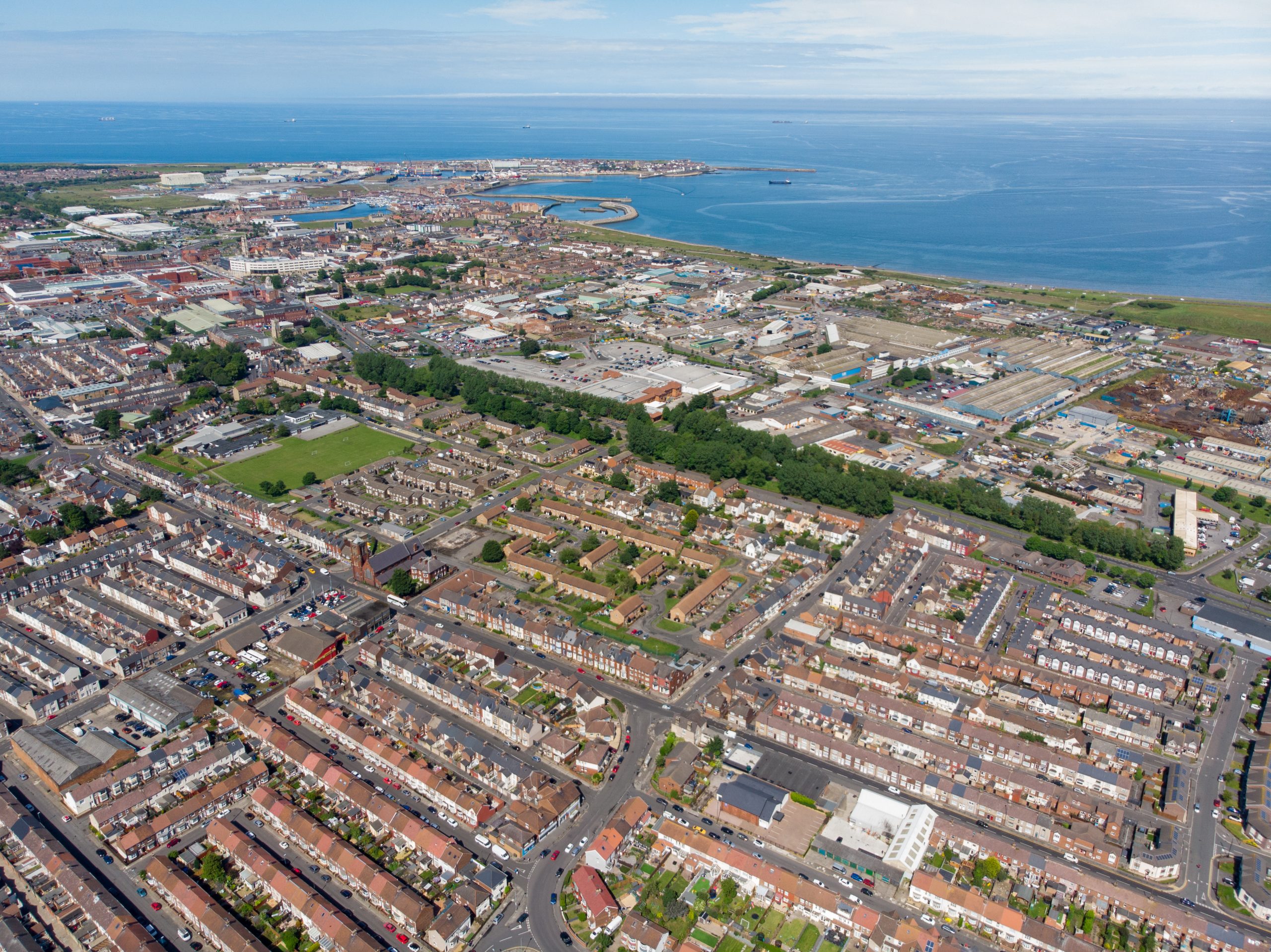
Killing off Council Tax could be key to Labour or Tories winning in local elections
Labour or the Conservatives could triumph in next month’s local elections by pledging to overhaul council tax, new polling indicates.
With households across the UK still reeling from the latest council tax hikes, the nationwide polling suggests that millions of votes are potentially up for grabs on 6th May. It found that:
> Four out of ten people (40%) across the UK would consider switching their vote to a party backing a fairer property tax system with lower bills for most people and local services maintained at the same level.
> In the ‘red wall’, almost five out of ten people (49%) would consider switching their vote on this basis.
As politicians hit the campaign trail, the polling makes clear that people are more likely to vote on ‘kitchen table’ issues than ‘culture war’ issues:
> Across the UK, 76% of people chose either council tax, investment in local services, supporting local shops or local transport improvements as the issue that would most influence their vote in the local elections. Just 7% of people chose seeing the Union Jack flown on local public buildings as influential.
> In the ‘red wall’, 80% of people chose council tax, investment in local services, supporting local shops or local transport improvements. Nobody chose seeing the Union Jack flown on local public buildings.
Action on council tax could have a major impact on next month’s local elections as a number of tightly contested councils are home to people who get an especially bad deal on council tax. These include Hartlepool, Burnley and Pendle where there is no party in overall control and where voters must pay out a high proportion of their home’s value in council tax every year.
Labour and the Conservatives have also been advised that adopting a position on killing off council tax could swing the Hartlepool by-election.
As a parliamentary constituency, Hartlepool gets a worse deal than almost anywhere else in the country on council tax. Meanwhile the polling suggests that in the north east, more than five out of ten people (51%) would consider switching their vote to a party backing a fairer property tax system.
Andrew Dixon, chair of Fairer Share, said:
“Voters know that council tax is not fit for purpose. We urgently need a fairer system such as a simple proportional property tax that would lower bills for 76% of households across the country.
“Instead of a political tit-for-tat where council tax rises are inevitably blamed on the local party in power, our politicians should seize the initiative and make a proposition that voters can’t refuse.
“We can see that whichever party steps up on council tax reform will see a massive dividend in the local elections. All of the signs are that killing off council tax could also be the secret weapon that will help Labour or the Conservatives to win the Hartlepool by-election.”
Currently, the North East Party is the only party in the Hartlepool by-election actively campaigning to reform council tax.
Hilton Dawson, former Labour MP and North East Party candidate for Hartlepool, said:
“Boris Johnson’s government talk of levelling up the north. However, so far, despite some pressure from some Conservative & Labour MPs they have failed to consider a big idea which could change everything.
“Scrapping council tax and charging each homeowner 0.48% of the value of their property would raise the same amount for public services as the current system. A fair property tax to replace council tax would also bring huge beneficial change to Hartlepool. Everyone in Hartlepool would benefit.”
To join our campaign to #TaxHomesFairly, visit: https://fairershare.org.uk/petition/

Council tax works for millionaires and not for the millions
This article first appeared in the Metro on April 5th 2021, written by our founder, Andrew Dixon.
When voters go to the polls in the local elections next month, many will do so in the wake of their council tax bills rising up like never before.
Despite unemployment surging due to coronavirus, a majority of councils are preparing to bump bills up by an unprecedented 5%, inflicting maximum pain on millions of already hard-pressed households.
So why are our leading politicians not going into the local elections with a viable plan to turn the situation around?
As our primary residential property tax, council tax is clearly not fit for purpose. It is based on property valuations from 30 years ago, dating back to just before Nirvana released their breakthrough album Nevermind and Tim Berners-Lee released files describing his idea for the World Wide Web.
It is a terrible, regressive tax that hits renters saving up for a deposit just as hard as those who have made it onto the property ladder. Council tax also ensures that people who live in more modest houses and areas end up paying a higher tax rate than those living in wealthier areas and more valuable properties.
The Fairer Share campaign that I chair recently heard from a lady in Birmingham who works four cleaning jobs. She and her husband live in a three-bed semi-detached house. They pay £129 a month in council tax and struggle with the costs.
We have also heard from a retired Army officer in the north east. After his divorce, he couldn’t afford to move into a house so he lives in a private caravan site with minimal public services. He still pays £92 a month in council tax.
Another of our northern supporters currently pays £2,328 a year for a band D property, which is valued at around £180,000. Meanwhile, on Zoopla she can see a band H £9.8million six-bedroom detached house in London pays just £1,560 each year in council tax.
For any politician going into the local elections, there are surely votes to be won from backing reform of this ridiculously unfair tax. Yet too many politicians are sitting on the sidelines of the debate, hitting out at council tax rises without offering up a convincing alternative source of revenue for cash-strapped local authorities.
"Across England around 76% of households would benefit under a proportional property tax, with households paying £435 less property tax a year on average."
In much of the country, it is a different story. More than 115,000 people have signed the Fairer Share petition calling for council tax and stamp duty to be replaced with a simple proportional property tax set at a flat rate of 0.48% of a property’s value.
There are also growing signs of support in the House of Commons. A number of MPs from both parties are now backing the plan, with our research showing that the tax generated would maintain the amount that the Government can put towards our services – while simultaneously leading to lower bills for millions of people.
Across England around 76% of households would benefit under a proportional property tax, with households paying £435 less property tax a year on average.
There are 78 constituencies where over 99% of households would benefit from moving to a proportional property tax. Many of these are in the north of England and the midlands but there are also plenty of southern seats that would benefit from the change.
While renters would pay nothing, some homeowners in London may see a small increase in their annual bills, reflecting the extreme rise in house prices over the past 30 years.
However, we know that it would be unfair to create ‘losers’ on day one of the policy being implemented. Instead, our campaign is proposing a cap on the increases in tax of £100 per month, not far off the price of a daily cup of coffee.
If our politicians are not brave enough to introduce a proportional property tax then the alternative is sticking with the current broken system.
Andrew Dixon
Chairman & Founder
Fairer Share

The 10 Areas with the Highest Council Tax Burden
We often see news articles outlining the areas that pay the highest Council Tax. However, these stories only look at the total Council Tax figure, not the figure relative to a household's ability to pay. To provide a better perspective we have researched the constituencies with the highest Council Tax Burden (Council Tax as a % of property value).
Here are the 10 Constituencies with the highest Council Tax Burden:
1) Easington | Council Tax Burden = 1.41% of the average property value

Region: North East
Political Party: Labour | Member of Parliament: Grahame Morris MP
Average Council Tax: £1,250
Proportional Property Tax (PPT) saving: £900 Households better off (under PPT): 100%
Levelling Up Index: 10 (10 = most in need, 1 = least in need)
2) Hartlepool | Council Tax Burden = 1.31%

Region: North East
Political Party: Conservative | Member of Parliament: Jill Mortimer MP
Average Council Tax: £1,450
Proportional Property Tax saving: £950 Households better off: 100%
Levelling Up Index: 10
3) Burnley | Council Tax Burden = 1.28%

Region: North West
Political Party: Conservative | Member of Parliament: Antony Higginbotham MP
Average Council Tax: £1,300
Proportional Property Tax saving: £850 | Households better off: 100%
Levelling Up Index: 10
4) Middlesbrough | Council Tax Burden = 1.27%

Region: North East
Political Party: Labour | Member of Parliament: Andy McDonald MP
Average Council Tax: £1,300
Proportional Property Tax saving: £850 | Households better off: 100%
Levelling Up Index: 10
5) Liverpool Walton | Council Tax Burden = 1.23%

Region: North West
Political Party: Labour | Member of Parliament: Dan Carden MP
Average Council Tax: £1,150
Proportional Property Tax saving: £800 | Households better off: 100%
Levelling Up Index: 10
6) Preston | Council Tax Burden = 1.21%

Region: North West
Political Party: Labour | Member of Parliament: Sir Mark Hendrick MP
Average Council Tax: £1,250
Proportional Property Tax saving: £850 | Households better off: 100%
Levelling Up Index: 10
7) Blackpool South | Council Tax Burden = 1.20%

Region: North West
Political Party: Conservative | Member of Parliament: Scott Benton MP
Average Council Tax: £1,250
Proportional Property Tax saving: £750 | Households better off: 100%
Levelling Up Index: 10
8) Redcar | Council Tax Burden = 1.20%

Region: North East
Political Party: Conservative | Member of Parliament: Jacob Young MP
Average Council Tax: £1,350
Proportional Property Tax saving: £900 | Households better off: 100%
Levelling Up Index: 10
9) North Durham | Council Tax Burden = 1.19%
Region: North East
Political Party: Labour | Member of Parliament: Kevan Jones MP
Average Council Tax: £1,350
Proportional Property Tax saving: £850 | Households better off: 100%
Levelling Up Index: 9
10) Nottingham North | Council Tax Burden = 1.17%

Region: East Midlands
Political Party: Labour | Member of Parliament: Alex Norris MP
Average Council Tax: £1,150
Proportional Property Tax saving: £800 | Households better off: 100%
Levelling Up Index: 10
To see the data for all English Parliamentary constituencies, click here for Council Tax Burden and here for the impact of our reforms.
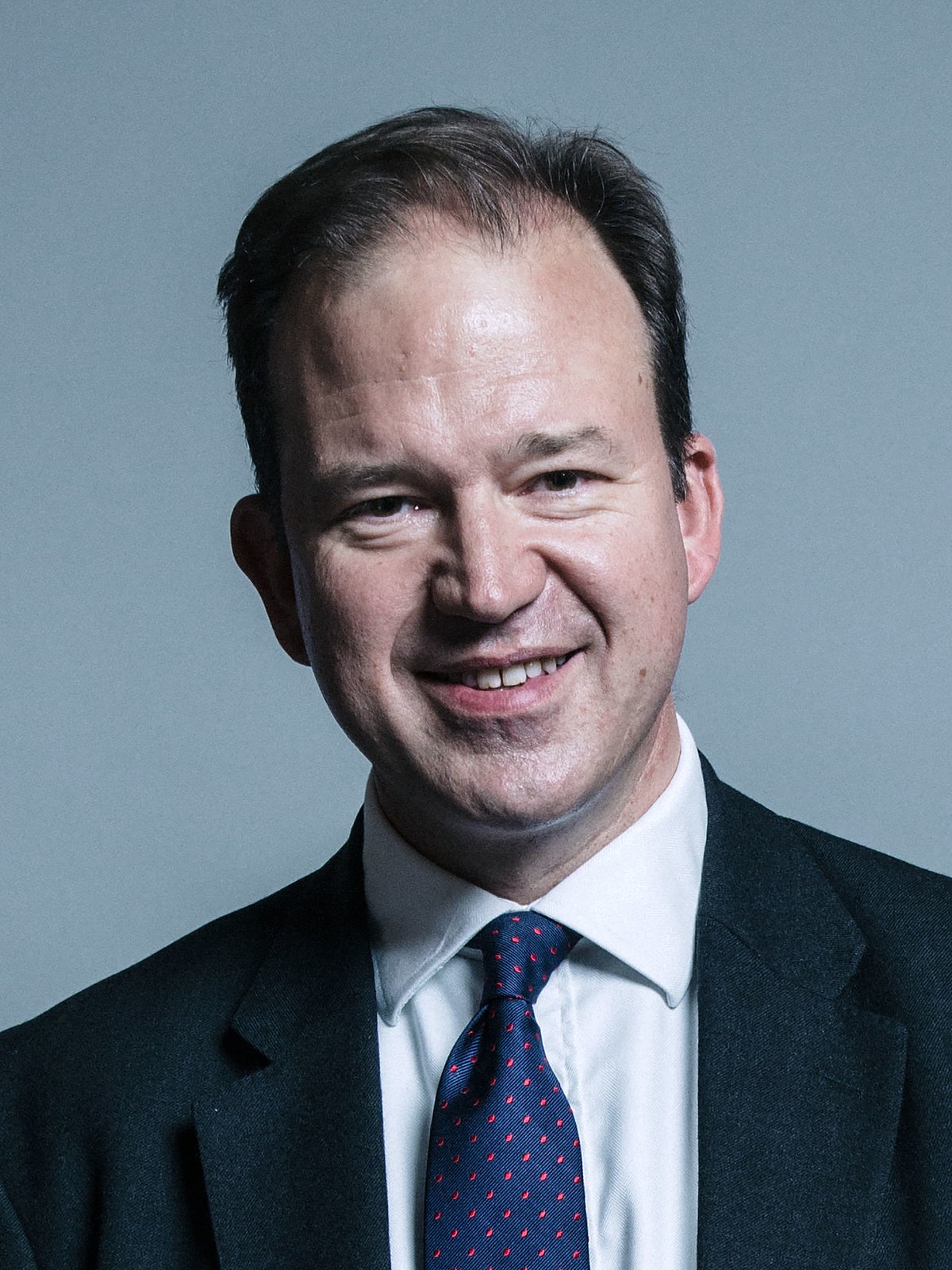
Letter to Fairer Share from Financial Secretary to HM Treasury, Rt Hon. Jesse Norman MP
In March we received the following letter from Jesse Norman MP who has the important role of Financial Secretary to the Treasury. The letter outlines the Government's view of our campaign. To see our response to the points raised in the letter, click here.
Dear Kevin,
Thank you for sending the briefing from Fairer Share in January on replacing Council Tax and Stamp Duty Land Tax (SDLT) with a Proportional Property Tax. As I said when we spoke, I thought it would be helpful to send you a written response to the proposal.
The data provided in the briefing by Fairer Share which you forwarded gives a very useful insight into the thinking behind the proposed new package, and any serious proposal that purports to reduce tax for the majority of people and improve economic efficiency while remaining equitable and revenue neutral overall is of obvious potential interest.
However, the proposal would involve a radical overhaul in existing tax arrangements, and inevitably this would bring disadvantages as well as advantages. Despite its limitations, the current system has evolved over time. It is familiar, well-understood and factored into people’s planning. Thus, as well as expected costs and benefits, any radical change would almost certainly involve unintended consequences, some negative and potentially serious.
All these things are matters of potential concern. For the sake of clarity, I set out some more specific thoughts on these issues below.
First of all, the briefing acknowledges that removing Council Tax and SDLT and replacing them with a proportional property tax will raise annual taxes for many households. Even with the proposed cap, it is important to note that this would risk being perceived publicly similarly to a ‘mansion tax’, a significant and unanticipated increase in bills for families and pensioners who have saved and improved their homes.
On the policy design itself, Council Tax is designed, as you will be aware, to help pay for the cost of local services. These services are used by everyone, including those that rent a property, and the fairness of relieving renters from this tax should be considered. There is also an obvious concern that relieving every household that rents its home from paying this tax, and placing the liability on the property owner, would simply lead to landlords increasing rent to compensate for the tax rise. Reliefs and exemptions already exist for those who are struggling to pay a Council Tax bill.
Turning to the proposal to replace SDLT, SDLT has been designed as a proportionate tax, which is paid by people who can afford to purchase a property. Those who can afford to
purchase higher value properties pay more, and purchases of additional properties incur higher rates, as will purchases by non-UK residents from 1 April 2021. Furthermore, the Government has relieved first-time buyers who purchase a property of £500,000 or less from paying SDLT on the first £300,000 of the property’s value.
In 2019-20, residential SDLT raised £8.4bn, which is rather more than the £4.2bn suggested in the briefing. Despite the significant revenue raised, 34% of transactions did not involve payment of any SDLT at all because they fell under the starting threshold or a first-time buyer. Any government would need to consider very carefully the impact of replacing such a secure tax.
Finally, in relation to the delivery of a Proportional Property Tax and the necessity for frequent revaluations of properties, I understand your concern about the current system of basing bills on 1991 values. By way of context, it is worth pointing out that a full revaluation of every property in the UK would be expensive to undertake, and many final values reached would be controversial. It would involve a huge upheaval, and would also risks accusations of being unfair or inconsistent as a result of in-year or regional disparities in the property market.
For these reasons, the Government has no plans to introduce a Proportional Property Tax. But despite these concerns, I and my colleagues in the Treasury remain interested in the work of the PPT campaign, and I am very grateful to Fairer Share and to you for sharing this proposal. As you know, the Government keeps all aspects of the tax system under review, and we warmly welcome serious and constructive contributions from outside organisations and campaigning groups.
As ever,
RT HON JESSE NORMAN MP
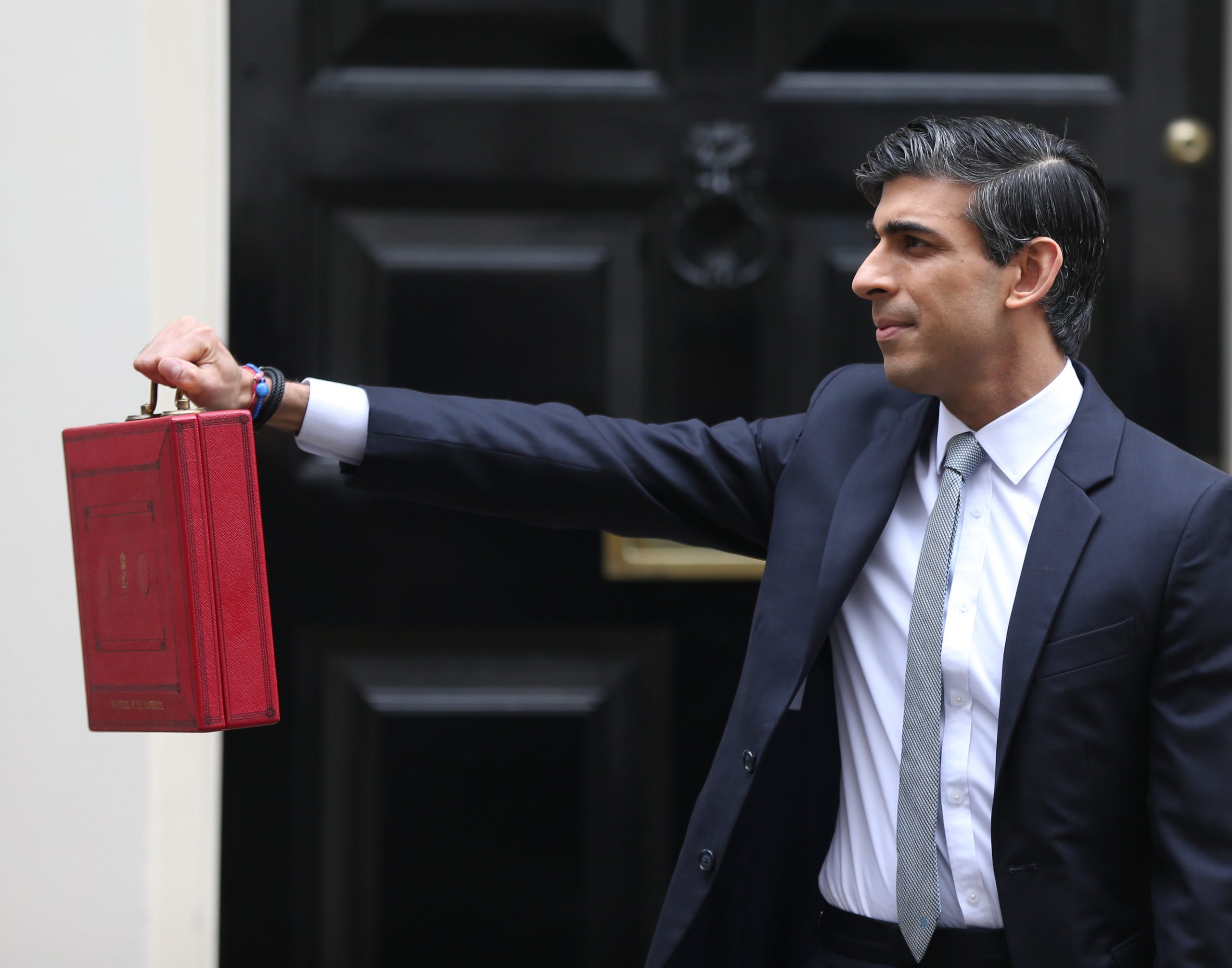
Campaigners from across the political divide unite to call for overhaul of residential property taxes
Below is an open letter to the Chancellor of the Exchequer published on 14th March 2021, featuring in The Observer.
Dear Chancellor,
We are writing to ask you to consider announcing a root and branch review into the way residential property is taxed in the UK.
As the Government begins to plot its way out of the coronavirus pandemic, which has accentuated the inequalities in our society, fairness should be at the heart of the Government’s policy agenda. This must mean looking at the options for reforming our residential property taxes so that they are based on today’s property values and homeowners’ ability to pay, while encouraging efficient use of our housing stock and generating incentives for local communities to accommodate development.
Any such review should begin by focusing on Council Tax, which is poorly designed, out of date, and unpopular. This tax is based, in England and Scotland, on property valuations that are now almost 30 years old and therefore bear no resemblance to the realities of current house prices.
It would appear that Council Tax is a material wealth tax for those in modest houses but is a modest service charge for those in wealthier areas. This places the heaviest burden on the young, low-earners, and those living in less prosperous parts of the country, who typically reside in modest properties.
We have known for many years that Council Tax is not fit for purpose but the situation is now critical. Council Tax is increasingly putting lower-income families into debt and Covid-19 has only exacerbated the situation, with an extra £700 million added in outstanding Council Tax debt from over 800,000 UK households between March and September alone.
A review of property taxes should also consider whether there is a place for Stamp Duty in a modern system of property taxation. By taxing property transactions, Stamp Duty discourages homeowners from moving and blocks up the property market, hindering older people from downsizing and limiting young families’ ability to move up the property ladder. This has wider dynamic economic implications as we have seen from the Stamp Duty holiday.
Households are already paying comparable property taxes relative to other developed nations – the problem is that the wrong households are paying the wrong taxes at the wrong times. The current unfairness exists within individual constituencies, between regions, and between the generations.
We urge you to use the so-called “Tax Day” on 23 March, when the Treasury will publish a range of consultations and calls for evidence into tax policy, to begin this review process. We are ready and willing to support the Government with its efforts to introduce a fairer and more efficient system of property taxation that is fit for the modern age. We recommend the Government examines this issue through the lens of fairness, economic activity, social mobility, housing stock efficiency, the Government’s levelling up agenda and the impact of the pandemic on household and local government finances.
We look forward to your response and to the upcoming consultation announcements.
Kind regards,
Alicia Kennedy, Director, Generation Rent
Andrew Dixon, Chairman, Fairer Share
Anya Martin, Director, Priced Out
Ben Rich, CEO, Radix
Carys Roberts, Executive Director, IPPR
Charlotte Alldritt, Director, Centre for Progressive Policy
Dr Gavin Kerr, author of “The Property-Owning Democracy: Freedom & Capitalism in the 21st Century”
Dr Justin Thacker, Director, Church Action for Tax Justice
James Kirkup, Director, Social Markets Foundation
John Muellbauer, Institute for New Economic Thinking, Oxford Martin School
John Myers, Founder, London YIMBY
Liz Emerson, Co-founder, Intergenerational Foundation
Neal Lawson, Director, Compass
Polly Mackenzie, Chief Executive, Demos
Professor Philip Booth, Director of the Vinson Centre for the Public Understanding of Economics and Entrepreneurship, University of Buckingham
Robert Colvile, Director, Centre for Policy Studies
Robert Palmer, Executive Director, Tax Justice UK
Robin McAlpine, Director, Common Weal
Ryan Shorthouse, Chief Executive, Bright Blue
Sam Dumitriu, Research Director, The Entrepreneurs Network
Torrin Wilkins, Director, Centre Think Tank

Our Response to MP Neil O’Brien’s Review of PPT
We have appreciated the support and encouragement of leading think tanks and academics. We have been excited by our engagement and interaction with leading MPs from across the political spectrum.
Feedback has been extremely positive. And we welcome this review of our policy undertaken by Neil O’Brien, the MP for Harborough, Oadby and Wigston.
We feel it is only fair to him and also to our many supporters, who will want to make sure they are backing the right horse, that we examine Mr O’Brien’s concerns in detail. We have responded in a Q&A format below:

Neil O’Brien MP
I read the proposal with interest and it raises important points about fairness in our tax system. However, as I understand it, evidence about how the proportional property tax would work in England shows that a lot of places that are low-income areas but also experiencing rising house prices would be hit very hard, even places with high levels of deprivation and low household incomes. If house prices were to rise in an area, low-income households would quickly see their bills rise at staggering rates well above increases to their income.
Fairer Share
Should a similar argument also apply to Council Tax?
Not only is Council Tax out of date, it also taxes tenants – those who don’t even own the property – rather than owners, hitting the asset-poor and income-poor. Given rising levels of Council Tax debt, it clearly does not take into account ‘the ability to pay’, a problem worsened by recent Council Tax increases that have exceeded current levels of inflation.
With our proportional property tax, those living in houses valued at £500,000 or less (90% of all households in England) are likely to see a reduction in their tax bills because the future tax will be less than their current Council Tax payments. Therefore, low-income households are more likely to benefit from a very real reduction in their bills.
In the rare situation of low-income households living in high value homes the increase in tax would be capped, so that at the point of transition, no household would see a rise of more than £100 per month (£3.29 per day). And we would provide these households with the option to roll over the tax payment, at a modest interest rate, until point of sale or change of ownership.
Indeed, this would go a long way to alleviating the challenges faced by the rural poor. One of the issues for the rural poor is poor cash flow, the ability to roll over a tax burden into a highly-priced asset would improve their liquidity and reduce their Council Tax burden.
And to be clear, any debts built up as a result of deferring a payment would be considerably lower than wealth gained from rising house prices. Assuming 4.8% annual house price inflation, housing assets would increase at 10 times the speed of any tax liability. House prices would have to increase at less than 0.48% per year for the tax debt to exceed the value of the housing asset.
Therefore, those living in a modest home will see a reduction in their tax bill. Those owning a larger property can either choose to pay the additional charge, which even for the largest and most valuable homes would be capped at a £1,200 increase per year or they can choose to defer payment until they sell the property.
Within Mr O’Brien’s constituency of Harborough, for example, someone living in a modest band A property pays 0.90%, whereas someone in a higher band H property pays just 0.22% of the property value. In other words, it would appear that Council Tax is a wealth tax that perversely places the greatest burden on those with the least wealth in the first place. We have been inundated with stories from supporters who are struggling to find the money to pay their Council Tax bills.
We all want to live in a fair society, and paying the same rate of 0.48% of the property value is surely better than the current system, where someone in Barnsley pays 1% and someone in Battersea pays 0.1%.
Mr O’Brien is right to point out the hardship of low-income households but Council Tax has become a wealth tax for modest and low-income households and remains a simple service charge for the wealthy.
Neil O’Brien MP
Another issue to consider is that excessive council tax increases are kept in check by referendum principles, which could not be done under the proposed property tax system. If house prices begin to rise in an area, low-income households would quickly see their tax bills rise at staggering rates well above increases to their income.
Fairer Share
It is for this reason we have a fixed national component which would go to central government for redistribution and an initial floating local component which would go to the local authority and could subsequently be moved up or down by that authority. In this way local authorities retain flexibility over taxation and voters can still judge them on value for money. As happens now, there could be limits on how this flexibility to set local rates is used, including the requirement to hold a local referendum if it is proposed that the local share of the tax was to be raised above a certain limit. The Local Government Chronicle covered these important issues in this review.
Neil O’Brien MP
Even if the new proportional tax was to be paid by property owners rather than tenants, it is highly likely that this would simply be passed on back to tenants in rent increases, as property owners still need to make mortgage payments.
Fairer Share
Yes, property owners are very likely to pass some or all of the tax down to the tenant through higher rent.
Keep in mind 75% of properties will see a reduction in Council Tax. Therefore, it is likely that the landlord will pay less property tax than the tenant is currently paying in Council Tax. As a result, the tenant will receive a net gain as future rent (incorporating the proportional property tax) will still be less than the current rent plus Council Tax.
Households are already paying sufficient property taxes – the problem is that the wrong households are paying the wrong taxes at the wrong times. The current inequity exists within individual constituencies, between regions, and between the generations.
Neil O’Brien MP
On second homes and vacant homes, 95 per cent of second homes are already charged full council tax and vacant homes can be charged double the council tax rate if these are empty for two or more years. Council tax is a valuable source of revenue for local councils and it is important that they have the discretion to raise or lower council tax rates based on the needs in their local area.
Fairer Share
Yes, it is for this reason we have a surcharge rate of 0.96% for second and vacant homes, and for foreign buyers.
Under a proportional property tax – as historically has happened within local government finance – some councils will receive additional funding from other parts of the local government finance system. The size of this additional funding would be based upon an assessment of the difference between a council’s resources (its tax base) and spending needs. As the Institute for Fiscal Studies note, if local tax bases change in size when reforming local taxation and resource equalisation is still a desirable aim of policy then it would require funding levels to adjust, “…increasing them for those [local authorities] whose tax base falls, and reducing them for those whose tax base rises.”
While the exact approach to this adjustment would depend on the context of local government finance at the time, an underlying principle would be to take account of the relative size of a council’s proportional property tax base, and not the revenue that a council intends to generate from that tax base. What this should mean in practice is that two local authorities with similar tax bases and a similar assessment of relative need would receive broadly similar baseline funding levels, irrespective of their local proportional property tax rates.
In conclusion, there is a growing political consensus that both Council Tax and Stamp Duty need to be reformed. As we begin to look beyond Covid-19 and deal with the inequalities that the pandemic has accentuated, we should seize the opportunity to scrap both of these taxes and bring in a fair and workable system of property taxation.
In his recent op-ed piece in the Daily Telegraph, Mr O’Brien’s colleague, Aaron Bell, who took Newcastle-under-Lyme from Labour for the Tories at the 2019 election, said: ‘…abolishing Council Tax and Stamp Duty and replacing them with a fairer property tax is the right thing to do for millions of people up and down the country. It is also the right thing for the Conservative Party to do if we are serious about delivering to those who voted Tory for the first time in a generation.’
We are indeed grateful to Mr O’Brien for taking the time to analyse our Proportional Property Tax recommendations. As we can see from our Constituency Data, under a proportional property tax, 88% of all the households in Mr O’Brien’s constituency would benefit from an average annual saving of £400. Furthermore, 95% of households living in bands A-D would be better off.
We encourage Mr O’Brien to take another look at our proposals and we welcome further input.

Moving to a Proportional Property Tax: Implications for Local Government Finance
Addressing the impacts on council revenues, resources and residents
Summary
The Fairer Share campaign proposes replacing the regressive Council Tax and unpopular Stamp Duty with the Proportional Property Tax (PPT).
Many of our supporters have asked us the following important questions on local government finances:
- How would PPT revenue be managed between local and central government?
- What impact does the PPT have on council finances?
- What impact does PPT have on council residents?
Each of these topics are discussed in turn, below:
Managing PPT revenue between local and central government
Currently, Council Tax revenue goes to councils. Stamp Duty revenue goes to central government.
The move to PPT would create a new source of revenue.
There are three arguments in favour of councils receiving a direct share of the PPT revenue raised in their area. It would mean that:
- voters could hold local councillors to account for local tax and spend decisions;
- councils do not give-up revenue-raising power to national politicians; and,
- councils have incentives to pursue local growth so as to increase local tax revenues.
Significantly, with revenue based upon annually updated house prices, councils would retain a share of the uplift in house prices that their policies create.
The key argument in favour of central government receiving a direct share of PPT revenue from every council area is that it would offset the Exchequer’s loss of Stamp Duty receipts. This centrally- collected revenue could potentially be redistributed to local areas that have higher local spending needs and / or greater need for local economic investment.
These arguments can all be recognised within the design of PPT, along the following lines:
- PPT revenues split into a council allocation and a central government allocation. A council and central government would each “own” a share of the PPT rate. The council allocation would ideally be large enough to encourage councils to pursue local growth initiatives.
- Councils given power to flex the rate of PPT that gives them their PPT allocation. Councillors could make decisions to increase or decrease the rate on their PPT allocation, much like councillors can make decisions to vary Council Tax now.
Stability in PPT revenues would be desirable at both a local and national level. Should there be times when revenues from PPT drop significantly, the Government could step in with grants to fill the gap.
The impact on council finances
Upon introduction PPT would raise the same amount of revenue as Council Tax does now.
But because PPT is linked to local property prices, the amount of PPT revenue raised in some council areas would be significantly different – much larger or much smaller – from the revenue they currently raise from Council Tax. This is because Council Tax is based on valuations from 1991 and does not adequately reflect the substantial change in regional house price growth or generational imbalance that house price growth has created.
For those councils that would raise less from PPT than they currently do from Council Tax, the difference would have to be made up with central government grants or from funds redistributed from councils that raise relatively large amounts of PPT revenue (or both).
This type of arrangement is not new. It has been a feature of local government finance in England for decades. It could be incorporated seamlessly into PPT with the following principles:
- Government should fully recognise how council revenue raising capacity is changed by PPT in its arrangements for funding local government. In other words, the ways in which the Government decides how to direct funding across all of local government should consider the individual capacity of councils to fund themselves.
- Councils could be given new powers to generate more revenue independently. Given that some revenue raising capacity could be lost by councils, there are opportunities for new revenue raising powers to be introduced. One example, would be to give councils the power to implement a levy on overnight tourist stays. Another example would be to reform planning permission to allow councils to build more houses.
It would be understandable if some councils were sceptical about transitioning to PPT if they have less capacity to raise revenue. But it is important to note that those council areas that see the biggest reduction in revenue raising capacity are also the areas where the greatest proportion of residents will see a reduction in their property tax bills or experience no change in their tax liability as a result of PPT. The policy would also introduce incentives for companies and individuals to relocate to areas with lower PPT, which in turn would benefit the community. In time this would lead to higher PPT revenues for the community.
The impact on council residents
Unlike Council Tax, the obligation to pay PPT would be on the property owner, not the property tenant.
Overall, there would be far more winners than there are losers from PPT - 76% of England’s households will see a reduction in their property tax bills.
But due consideration needs to be given to those residents that may not benefit from PPT.
Some homeowners – predominately in London and the South East – would pay more in PPT than they currently do in Council Tax. This increase is ameliorated by the abolition of Stamp Duty Land Tax which is particularly punitive in this region due to the higher property prices.
Other residents who may not benefit are those currently receiving some form of assistance – by being exempt or paying a reduced rate – in paying Council Tax. How these residents are affected by PPT will depend upon how much help they have been receiving, and if they are homeowners or renters.
Fairer Share proposes a revenue neutral system retaining the same total quantum of funding provided by the current Council Tax Support scheme. In many areas the savings under PPT compared to Council Tax would be equal to (or larger) than the value of benefits received through the Council Tax Support scheme.
Mitigating action could be taken to support residents who pay more under PPT.
Fairer Share has already outlined some plans:
- At the point of transition to PPT, any increase in local property tax would be capped at £100 a month for primary residences. The transitional protection would disappear at point of sale but such buyers would have benefited from the removal of the punitive Stamp Duty.
- For those unable to meet the £100 a month increase under transitional protection, or in the longer-term, the full costs of PPT, there is a deferral mechanism until point of sale.
These mitigating actions are purely financial, but there are other options to consider, including:
- Giving councils the power to design their own systems for supporting low-income residents through PPT, i.e., not having centrally designed restrictions.
- Central government could offer councils financial resource for those negatively affected by PPT by increasing funding for Discretionary Housing Payments.
- The Government could offer generous PPT discounts for socially rented homes that meet the highest level of energy efficiency, moving from a system of grants and loans to one of market incentives.
Conclusion
The design of PPT can support council independence through a split of revenue allocations between councils and central government. It can fit into the current system of local government finance so that the revenue-raising resources and spending needs of councils are recognised. It can protect those who are asset rich / cash poor and / or are currently exempt from Council Tax or are eligible for a discounted rate.
This is all in addition to the other arguments in favour of PPT, such as working international precedents and a coherent approach to valuation.
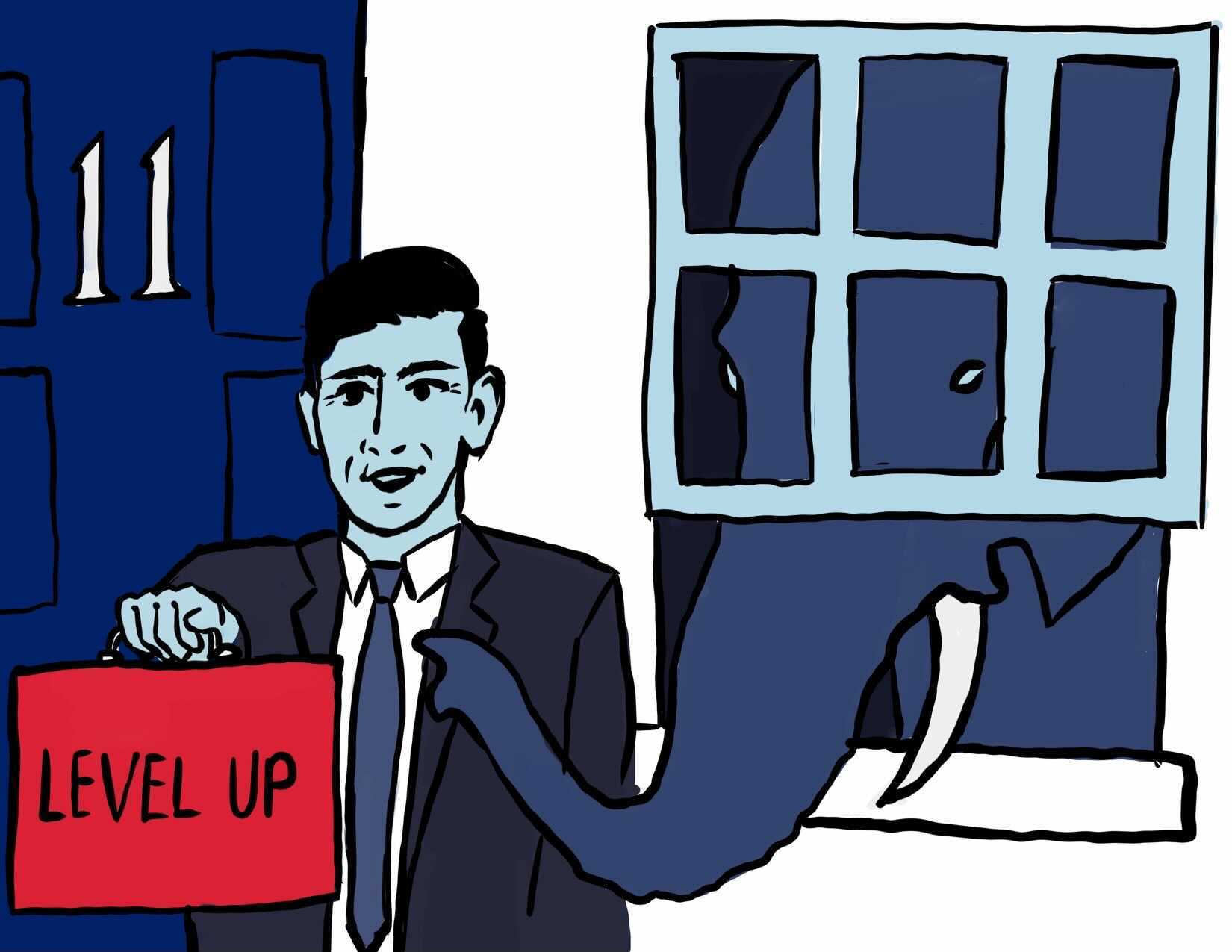
Budget 2021 | The Elephant in the Room
When Rishi Sunak was drawing up the Budget, he had a golden opportunity to begin a wholesale review of one of the biggest blocks in the way of the Government’s levelling up agenda. By pledging to look again at our outdated and unfair property taxes, the Chancellor could have sent a clear signal to millions of households that levelling up was going to work for them.
Instead, council tax was the elephant in the room when the Chancellor delivered the Budget. While he set out economic support packages for those worst-hit by Covid-19, there was no such respite for the millions of modest and low-income households facing crippling council tax bills.
Throughout today’s address to the Commons, Sunak stressed the theme of fairness. But the truth is that the Chancellor’s silence on council tax sits awkwardly with talk of fairness and levelling up. The current council tax system is based on property valuations from 30 years ago, dating back to just before Nirvana released their breakthrough album Nevermind and Tim Berners-Lee released files describing his idea for the World Wide Web.
Furthermore, recent research has showed that residents of constituencies in the north and midlands clearly get the worst deal with council tax. While the average household in England presently pays out 0.47% of their home’s value in council tax every year, residents of Easington and Hartlepool must pay out more than 1.3% on average every year. Across the ‘red wall’, households must pay out an average 0.84%.
Thankfully, while he may have kept quiet about council tax in the Budget, the Chancellor has not yet closed the door on a review of property taxes. After Sunak spoke a lot about fairness today, the Government could still show its commitment to fairness and levelling up in a way that matters by announcing a wholesale review of property taxes.
What takes the place of council tax would then be a matter of debate but support is growing for the campaign to replace both council tax and stamp duty with a simple proportional property tax set at a flat rate of 0.48% of a property’s value.
Work by Fairer Share has shown that this tax would be revenue neutral for the Treasury while leading to lower bills for millions of people. Across England, around 76% of households would benefit under the new system, with households paying £435 less property tax a year on average. Across all the 44 so called ‘red wall’ seats in England which the Conservatives gained from Labour in 2019, 97% of households would be better off as a result of the policy with an average saving of £660 per year.
To ensure there do not have to be any losers on day one, there would be a deferral mechanism until point of sale on a low interest rate, so that nobody has to pay out immediately if they cannot afford to. For those who wish to stay in their high value home and pay the new tax, losses would be capped so that, at the point of transition, no household sees an increase of more than £1,200 per year (£100 per month) on what they currently pay.
However it is replaced, the reality is that council tax is a bizarrely regressive tax which ensures that people who live in more modest houses and areas end up paying a higher tax rate than those living in wealthier areas and more valuable properties. On top of this, council tax also taxes tenants rather than owners and clearly does not take into account the ability to pay, leading to rising levels of council tax debt.
Having framed the Budget around fairness, the Chancellor should now show that he means action by looking again at our outdated and unjust system of property taxation. By signalling his desire to kill off council tax, Sunak would be sending the clearest possible signal that the levelling up agenda will definitely deliver for millions of households across the country.
Andrew Dixon
Fairer Share
Our Letter to the Prime Minister
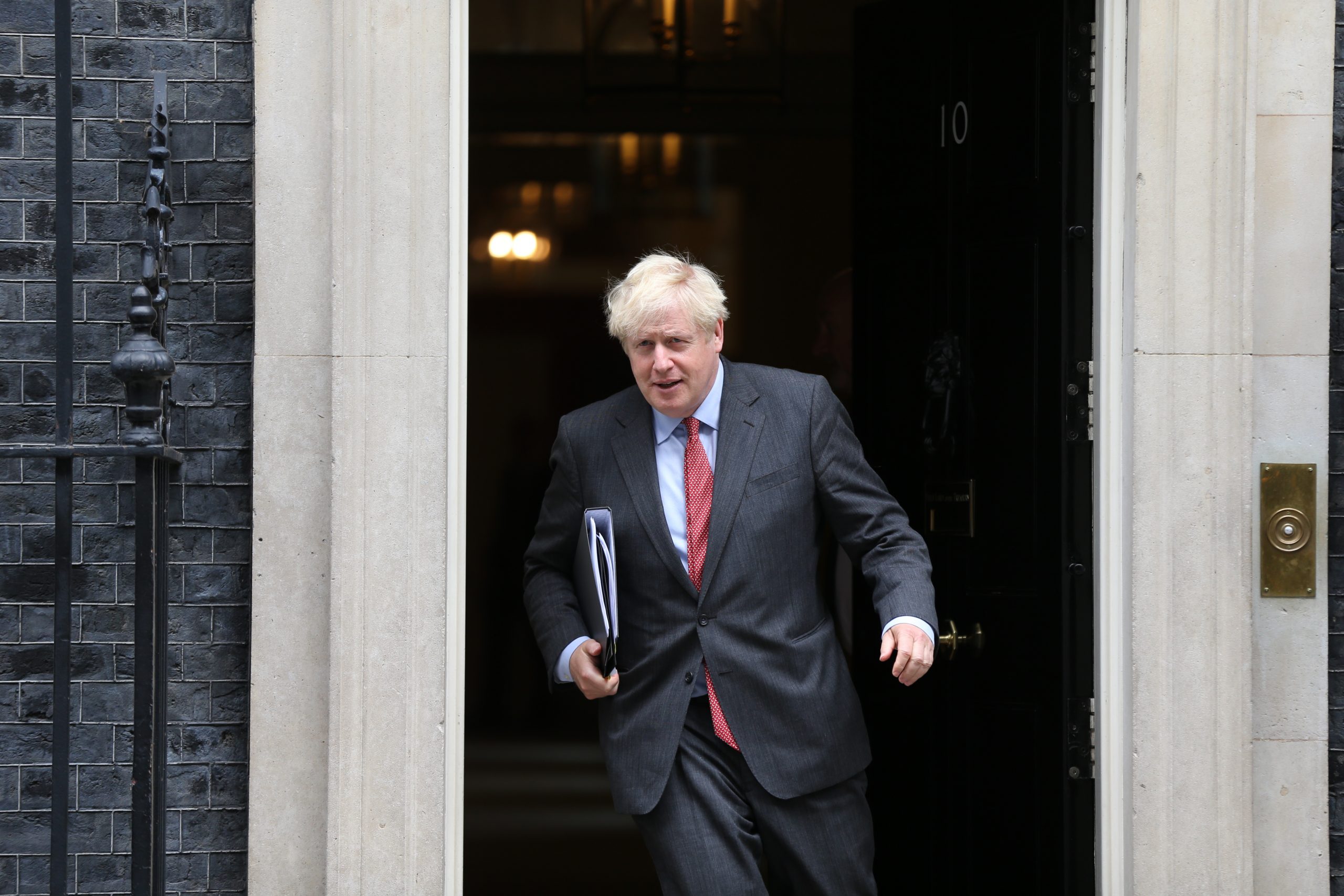
Andrew Dixon, our campaign's Founder and Chairman wrote to Prime Minister, Boris Johnson last week, warning that the 'levelling up' agenda would be under threat if we continue on with our broken and unfair system of property tax. You can read more about the letter here.
Dear Prime Minister,
I am writing to you in my capacity as Founder of Fairer Share, a grassroots initiative campaigning to abolish Council Tax and Stamp Duty, replacing both with the Proportional Property Tax.
As Prime Minister, you have rightly made ‘levelling up’ one of your Government’s key ambitions. This is a plan I wholeheartedly support, and it is why I am writing to you today.
Over the last 30 years, we have witnessed rising inequality levels – both on a regional and an intergenerational basis. Sadly, COVID-19 has hit the poorest the hardest, particularly those in low-income, insecure work, and it has compounded, deepened, and underlined those prevalent inequalities.
The agenda you have set to level up is essential as our economy recovers. I firmly believe that we cannot level up our country without scrapping and replacing both Council Tax and Stamp Duty – two taxes that continue to exacerbate rather than ease these inequalities.
Today, I urge you to replace these regressive and destructive taxes as a central pillar of your levelling up plan.
Council Tax is an outdated and unfit system. It is based on property values made in 1991 and has led to low-income households paying a tax rate five to ten times higher than those fortunate enough to live in million-pound properties.
It is a regressive form of tax and disproportionately impacts struggling communities – the same communities your Government is aspiring to support. Evidence shows that the ‘red wall’ constituencies face “The Burden of Council Tax” that is nearly 80% higher than the national average.
The average household in England pays 0.47% of their home’s value per year, yet in many communities across the North and the Midlands, households pay a considerably higher rate, going up to 1.41%, with Easington in County Durham paying the highest rate. By comparison, the Cities of London and Westminster has an average rate of 0.06%. This system is fundamentally broken.
Meanwhile, Stamp Duty hinders aspiration and mobility, fuels intergenerational inequality and adversely impacts the broader economy. We need to find a solution to the well-intentioned Stamp Duty holiday.
Levelling up cannot be achieved solely through infrastructure spending pledges and Government cash. To help turn the tide, scrapping Council Tax and Stamp Duty would have a most significant impact on hard-working families and pensioners across the UK.
The simple Proportional Property Tax set at a flat rate of 0.48% of a property’s value would bring in the same amount of revenue as Stamp Duty and Council Tax combined. Our analysis shows that 19 million households in England would be better off, on average saving £435 each year. We also found that in the 44 ‘red wall’ constituencies that your Government won in the 2019 General Election, 97% of households would save £660 each year.
We all want to live in a fair society but it does not seem right that a household in Barnsley pays 1% of the property value in tax whereas a household in Battersea pays just 0.1%. Council Tax has become a troubling wealth tax for middle and low-income households, and is a modest service charge for the wealthy.
I urge you and the Chancellor to use tomorrow's budget to authorise a review of the country’s residential property taxes. I recommend the Government examine this issue through the lens of fairness, economic activity, social mobility, the Government’s levelling up agenda, and the impact of the pandemic on household and local Government finances.
There may never be a better time to reform this system – and I encourage you to be the Prime Minister to deliver this change and help us all to build back better.
Yours sincerely,
Andrew Dixon
Chairman
Fairer Share